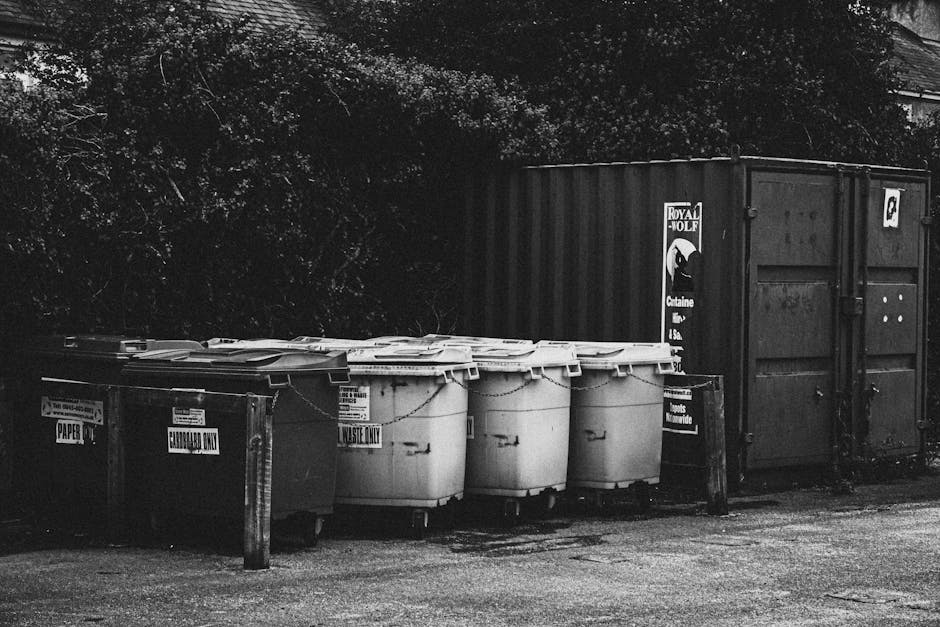
Rectory Road Stoke Newington rubbish pickup access solutions: a practical guide for tricky collections
If you've ever tried to organise a rubbish collection on or near Rectory Road, you'll know the issue is rarely the rubbish itself. It's the access. Tight frontages, parked cars, narrow pavements, awkward stairwells, basement entries, and the constant shuffle of deliveries can turn a simple pickup into a small logistical puzzle. That's exactly where Rectory Road Stoke Newington rubbish pickup access solutions matter: they help you move waste out safely, efficiently, and without causing chaos for neighbours or wasting your time.
In this guide, we'll break down how access problems are handled in real life, what works best on local streets, who benefits most, and which mistakes tend to cause delays. We'll also cover practical compliance points, comparison options, and a checklist you can use before collection day. Nothing fluffy. Just the stuff that actually helps.
Table of Contents
- Why Rectory Road Stoke Newington rubbish pickup access solutions Matters
- How Rectory Road Stoke Newington rubbish pickup access solutions Works
- Key Benefits and Practical Advantages
- Who This Is For and When It Makes Sense
- Step-by-Step Guidance
- Expert Tips for Better Results
- Common Mistakes to Avoid
- Tools, Resources and Recommendations
- Law, Compliance, Standards, or Best Practice
- Options, Methods, or Comparison Table
- Case Study or Real-World Example
- Practical Checklist
- Conclusion
- Frequently Asked Questions
Why Rectory Road Stoke Newington rubbish pickup access solutions Matters
Access problems are not a minor inconvenience. They are usually the difference between a smooth collection and a frustrating, stop-start job that drags on far longer than it should. On streets like Rectory Road, the layout can make it hard for a vehicle to stop safely, load efficiently, or even reach the waste without blocking traffic. And let's face it, nobody wants a collection crew standing around wondering how to get a wardrobe down two flights of stairs while a neighbour is trying to reverse out.
Good access planning matters because waste removal is part practical, part timing, and part judgment. If you can't get the van close enough, the crew may need to carry items further, work in stages, or adjust the collection method entirely. That can affect cost, completion time, and the risk of damage to walls, floors, lifts, door frames, or the waste itself.
There's also the neighbour factor. Stoke Newington is busy, lived-in, and often tight for kerb space. A poor setup can cause blocked paths, awkward queues, and unnecessary stress for everyone on the street. A good setup, by contrast, feels calm. Items move out cleanly, the team stays organised, and the whole thing is over before the tea has gone cold.
Expert summary: the best rubbish pickup access solution is usually the one that reduces carrying distance, protects the property, avoids unsafe lifting, and keeps the collection point predictable. Simple, but not always easy.
How Rectory Road Stoke Newington rubbish pickup access solutions Works
In practice, access solutions are about matching the collection method to the physical reality of the address. A good provider will usually look at four things first: where the waste is located, how it can be moved, where the vehicle can stop, and whether any restrictions apply. That sounds obvious, but in the field it makes all the difference.
For example, a ground-floor flat with a front path may only need a short carry. A terrace property with rear-garden access might need gate width checked and obstacles removed in advance. A top-floor conversion may need a route planned through communal stairs, with protection for bannisters and flooring. The solution changes with the building.
The process often includes a quick assessment of:
- street width and parking pressure
- entrance size and doorway clearance
- steps, lifts, or level changes
- distance from waste storage point to vehicle
- the type and weight of items being removed
- timing issues, such as rush hour or school-run traffic
Sometimes the answer is straightforward: book for a quieter time and make sure the access path is clear. Other times, the right move is to split the load, use protective equipment, or choose a removal method that does not depend on a large vehicle parking directly outside. That's the part many people miss. Access solutions are not just about finding a space; they're about making the route from A to B realistic.
On busier days, a crew may work in a staged way. Items are brought to a temporary holding point near the pavement, then loaded quickly once the truck is safely positioned. If the route is awkward, collection teams may advise on dismantling furniture first, separating heavy objects, or clearing a path before they arrive. A few small decisions early on can save a lot of lifting later.
Key Benefits and Practical Advantages
The main benefit is obvious: less hassle. But there are several practical advantages that go beyond convenience.
- Faster collections: better access usually means less time carrying items and less time waiting for parking or manoeuvring.
- Lower risk of damage: fewer tight turns and awkward lifts means less chance of scuffed walls, cracked plaster, or scratched flooring.
- Safer handling: a clear route reduces trip hazards and the temptation to carry things in a rushed or improvised way.
- More accurate planning: when access is understood properly, it's easier to estimate vehicle needs, labour, and timing.
- Less disruption: neighbours, tenants, shopfronts, and passers-by all benefit from a cleaner, quicker operation.
There's also a confidence benefit. When the access plan is sensible, you stop worrying about whether the crew will be able to get in, whether the sofa will fit through the hall, or whether the pile outside the flat will become an all-day problem. That peace of mind counts more than people admit.
To be fair, access issues are often the hidden reason why one rubbish collection feels effortless and another becomes a headache. Same amount of waste, very different experience.
Who This Is For and When It Makes Sense
Rectory Road Stoke Newington rubbish pickup access solutions are useful for a surprisingly wide mix of people. If you're dealing with an easy drive-up collection, you may never need to think much about it. But if any of the following sounds familiar, you probably do.
- Flat residents dealing with stair-only access, narrow hallways, or communal entrances
- Landlords and letting agents clearing turnover waste between tenancies
- Homeowners removing bulky furniture, appliance waste, or builders' debris
- Small businesses needing discreet, efficient removal without disrupting customers
- Property managers dealing with end-of-lease clearances or post-refurbishment waste
- Anyone on a tight street where parking, loading, and timing all need care
It makes sense whenever waste cannot simply be lifted straight into a vehicle from a convenient spot. That includes basement properties, upper-floor flats, rear garden access, and homes with no private driveway. It also makes sense when items are large, awkward, or heavy enough that you do not want to be improvising on the day. Nobody wants to wrestle a broken wardrobe through a narrow landing at the last minute. Been there, regretted that.
If you've already tried a standard pickup and found the crew couldn't get close enough, this is the point where an access-focused approach stops being optional and starts being the smart choice.
Step-by-Step Guidance
If you want a smoother collection, the safest thing is to plan from the waste location outward. Start with the item, then the route, then the vehicle, then the timing. That order matters more than people think.
1. Identify exactly what needs moving
List the items by type and size. Sofas, fridges, wardrobes, bagged rubbish, garden cuttings, old office furniture, and builders' waste all behave differently. A pile of mixed waste can look manageable until you realise the heaviest bit is at the bottom.
2. Measure the access route
Check door widths, stair turns, gate openings, lift size, and any sharp corners. If there are low ceilings, awkward steps, or tight landings, note them. Even rough measurements help. You do not need architectural drawings; just enough detail to avoid surprises.
3. Clear the path
Remove rugs, bins, toys, loose plant pots, hanging bikes, and anything else that could snag a load. This sounds small. It isn't. A clear route speeds things up and lowers the risk of accidents.
4. Think about parking and stopping space
Ask yourself where a vehicle could safely stop without blocking the street or making loading difficult. On busier stretches, timing may matter as much as distance. Early morning can sometimes work better, though that depends on local traffic patterns and the building itself.
5. Separate items by type if needed
Recycling, reusable goods, appliances, and general waste may need different handling. If your collection includes specialist items, plan for that before the team arrives. It is much easier to separate waste in advance than to do it at the kerbside in a rush.
6. Share access details clearly
Be specific. Say whether there are stairs, whether the keyholder will be present, whether the waste is in the basement or rear yard, and whether parking is tight. A vague "just call when you're outside" is usually not enough. The more precise you are, the better the plan.
7. Confirm the loading point on the day
Before the crew starts, point out the items, the route, and any hazards. A quick walkthrough can prevent ten minutes of confusion later. That tiny bit of coordination helps everyone.
Expert Tips for Better Results
One of the best tricks is to think like the crew for a moment. Where would you put the vehicle? What would slow you down? Which item will be hardest to turn? That little mental check often exposes problems before they become actual problems.
Here are a few field-tested tips that tend to help:
- Use the shortest safe route, not the fanciest one. The obvious path is usually best if it avoids stairs, tight turns, or wet surfaces.
- Keep fragile surfaces protected. Cardboard, blankets, and edge protection can help with bannisters, paintwork, and door frames.
- Break down bulky items early. Flat-pack furniture, bed frames, and shelving are often much easier to move once dismantled.
- Leave a little breathing room. If waste is stacked tightly against a wall or in a corner, extraction takes longer.
- Label problem items. If something is especially heavy, sharp, or awkward, say so clearly.
One small but useful habit is to photograph the access point before collection. Not in a dramatic way, just a few quick pictures. They can help if you need to explain stairs, a locked gate, or a narrow passage. Slightly unglamorous, yes, but practical.
Also, if there is a resident or building manager involved, get everyone on the same page. Mixed messages are a classic cause of delays. One person says the side gate is open. Another says it's always locked. Suddenly the whole job turns into detective work.
Common Mistakes to Avoid
Most access issues are preventable. The trouble is that people often only notice them on collection day.
- Assuming the van can park right outside. Streets can be tighter than they look from memory.
- Underestimating item size. That sofa that seemed manageable in the room may be a nightmare at the doorway.
- Leaving the route cluttered. One plant pot or recycling bin can slow everything down.
- Forgetting to mention stairs or basements. This is a big one. Always mention level changes.
- Not checking lock or key access. A closed gate can stall the whole job.
- Mixing hazardous and general waste. That creates handling and compliance issues.
A less obvious mistake is failing to match timing to access. If a street is packed during school run hours or delivery peaks, the same pickup that would be easy at 10am might be painful at 4pm. The schedule matters. Quite a lot, actually.
And yes, people do sometimes leave everything for the morning of the collection. It rarely feels worth it then.
Tools, Resources and Recommendations
You do not need specialist equipment for every collection, but the right basic tools can make access work far better. Depending on the job, these may include:
- heavy-duty gloves
- furniture blankets or protective wraps
- straps for securing awkward items
- simple measuring tape for doorways and gaps
- bin bags or rubble sacks for loose waste
- basic dismantling tools for flat-pack or modular furniture
- clear labels or notes for mixed waste streams
From a planning point of view, a good waste removal page, a transparent pricing page, and a provider's safety information can all be helpful when comparing options. On this website, useful starting points include waste removal services, pricing and quotes, and insurance and safety. If your job involves bigger furniture or mixed household items, it may also be worth looking at furniture clearance or home clearance.
For more complex jobs, such as a loft full of old boxes or a garage that has slowly become a catch-all, the more specific services can make planning easier. That might mean loft clearance or garage clearance. And if the waste includes broken beds or sofas, mattress and sofa disposal is often the cleaner route.
When you are comparing providers, pay attention to how clearly they explain access, handling, and disposal. The more specific the information, the better the sign that they understand real-world collections rather than just quoting from a spreadsheet. A decent provider should make you feel calmer, not more confused.
Law, Compliance, Standards, or Best Practice
Any rubbish pickup that involves public streets, shared access, or unusual waste types should be handled with care. While the exact rules can vary by property and waste type, the safest approach is to follow normal UK waste best practice: keep waste traceable, separate items properly where needed, and avoid blocking access routes longer than necessary.
If your waste includes items that may be classed as specialist or hazardous, do not leave assumptions to fill the gap. Electrical items, fridges, certain construction materials, and anything contaminated can require separate handling. That is one reason services such as fridge and appliance removal and hazardous waste disposal exist as dedicated options.
It also makes sense to think about security and privacy. If you are clearing papers, personal records, or office files, a specialist approach like confidential shredding may be more appropriate than standard rubbish removal. That is not overkill. It is just sensible.
From a best-practice point of view, the key principles are straightforward:
- do not create avoidable hazards on shared walkways
- do not overload access routes with loose waste
- keep items stable and predictable during movement
- communicate about locks, parking, and entry points
- use the correct disposal route for the waste type
To be fair, most access problems are not legal dramas. They are planning issues. But planning is part of compliance too, especially when other residents, pedestrians, or workers could be affected.
Options, Methods, or Comparison Table
There is more than one way to handle a pickup with awkward access. The right choice depends on the amount of waste, the layout of the building, and how much time you want to spend managing the job yourself.
| Method | Best for | Pros | Watch out for |
|---|---|---|---|
| Direct kerbside pickup | Easy street access and light waste | Quick and simple when parking is straightforward | Not suitable if the vehicle cannot stop nearby |
| Carry-out collection | Flats, terraces, and properties with short internal routes | Works well where items must be moved from inside the building | Needs a clear route and some physical handling |
| Staged loading | Tight streets or busy periods | Useful when the vehicle needs to wait while waste is brought out | Requires good coordination and timing |
| Dismantle-and-remove | Bulky furniture or awkward corners | Reduces the size of items and improves safe movement | Costs a little more time if not prepared in advance |
| Specialist item removal | Appliances, mattresses, mixed restricted waste | Better handling for difficult or regulated items | Needs clear communication about what is included |
If you are dealing with domestic clutter, something like house clearance, flat clearance, or home clearance may be more appropriate than a one-off pickup. For trade or workspace clearances, office clearance and business waste removal are often the better fit. Different job, different rhythm.
Case Study or Real-World Example
Here's a realistic example. A two-bedroom flat near Rectory Road has a mix of old furniture, bagged clutter, and a broken appliance. The building has a narrow shared entrance, a short staircase, and limited daytime parking outside. Nothing dramatic, but enough to make a casual collection awkward.
The first improvement is simple: the resident clears the hall and stair corners the night before. That means no shoes, no bikes, no delivery boxes. The second improvement is communication. The access route is described clearly in advance, including the internal stairs and the gate at the rear. The third improvement is item sorting: the fridge is separated from the softer household waste, and two bulky pieces are dismantled before pickup.
On collection day, the crew can move steadily rather than stopping every few seconds to adjust. The vehicle does not need to park in a perfect dream spot. It just needs reasonable access and enough room to work safely. The whole thing ends up feeling controlled rather than frantic.
That is what good access solutions really do. They don't make the street wider. They make the job smarter.
In another common scenario, a ground-floor garden clearance may seem easy at first, until a narrow side return and uneven paving slow everything down. The solution might be as small as trimming back overgrown branches, moving planters, and creating a clean path from garden to kerb. Small fix, big difference. It's often like that.
Practical Checklist
Use this checklist before collection day. It takes a few minutes and can save a great deal of stress.
- Have you listed every item to be removed?
- Do you know whether anything needs dismantling first?
- Are all doors, gates, and access points unlocked?
- Have you measured the tightest part of the route?
- Is the path from waste to vehicle clear of clutter?
- Have you identified steps, stairs, or level changes?
- Is parking or stopping space realistically available?
- Have you separated any specialist items or hazardous waste?
- Have you told the provider about any access restrictions?
- Are fragile surfaces protected where needed?
- Do neighbours or building management need to know about the collection?
If you can answer yes to most of those, you are in good shape. If not, fix the gaps before the van arrives. It sounds basic because it is basic. But basic done well is usually what saves the day.
Conclusion
Rectory Road Stoke Newington rubbish pickup access solutions are really about turning a difficult collection into a manageable one. The street, the building, the waste type, and the timing all play a part. When you plan the route, communicate clearly, and choose the right collection method, the process becomes much smoother and a lot less stressful.
Whether you are clearing a flat, removing bulky furniture, dealing with a cluttered loft, or handling a tight kerbside pickup, the same rule applies: better access planning leads to better outcomes. Fewer delays, less lifting, less mess, and a much lower chance of last-minute surprises. And if you are standing in a hallway wondering how on earth that wardrobe is going to fit through the stair bend, take a breath. There is almost always a sensible way through it.
Get a free quote today and see how much you can save.
Sometimes the smartest job is the one that looks uneventful from the street.
Frequently Asked Questions
What are Rectory Road Stoke Newington rubbish pickup access solutions?
They are practical ways of organising waste collection when the usual direct vehicle access is limited by tight streets, parking, stairs, gates, or awkward building layouts. The goal is to move rubbish safely and efficiently with the least disruption possible.
Why is access such a big issue on local streets?
Because many London roads are narrow, busy, and heavily parked. Even if the waste itself is straightforward, the collection can slow down if the van cannot stop close enough or if the route from the property is awkward.
Do I need to clear the path before the crew arrives?
Yes, ideally. Removing loose items, bins, rugs, and other obstructions makes a huge difference. It reduces risk, saves time, and helps the team work without improvising around clutter.
Can rubbish still be collected if there is no driveway?
Usually, yes. Many collections are done without a driveway, provided there is a workable route and a safe place for loading. The important thing is to explain the access setup clearly in advance.
What if my flat is on an upper floor?
That is very common. Upper-floor flats are often handled through stairwells, lifts, or communal routes. The key is to mention stairs, turns, and any narrow landings so the route can be planned properly.
Is dismantling furniture worth it?
Often, yes. Taking apart wardrobes, bed frames, and shelving can make removal much easier and safer. It can also help if the building has tight corners or narrow doors.
How do I know if something needs specialist disposal?
If the item is an appliance, contains electrical parts, may be classed as hazardous, or needs special handling for privacy or safety reasons, it is best to flag it early. Examples include fridges, confidential documents, and certain contaminated materials.
Will access problems make the job more expensive?
They can, depending on how much extra time, labour, or handling is needed. The best way to avoid surprises is to describe the access conditions accurately before booking so the quote reflects the real job.
What information should I give before booking?
Tell the provider where the waste is located, whether there are stairs, how narrow the route is, whether parking is available, and whether there are any bulky or specialist items. The more accurate the details, the smoother the collection.
Can collections be done discreetly on a busy street?
Yes, often they can. Good planning, short loading windows, and clear communication help keep disruption down. On busier stretches, timing can matter almost as much as the route itself.
What's the best option for mixed household waste?
That depends on the amount and type of waste. For a few items, a standard removal may be enough. For larger clearances, options like home clearance or flat clearance may be more suitable because they handle access and sorting in a more structured way.
How far in advance should I arrange the pickup?
As early as you can, especially if access is tight or the job includes bulky items. A bit of notice gives everyone room to plan parking, timing, and handling more carefully. And honestly, that saves a lot of last-minute stress.